
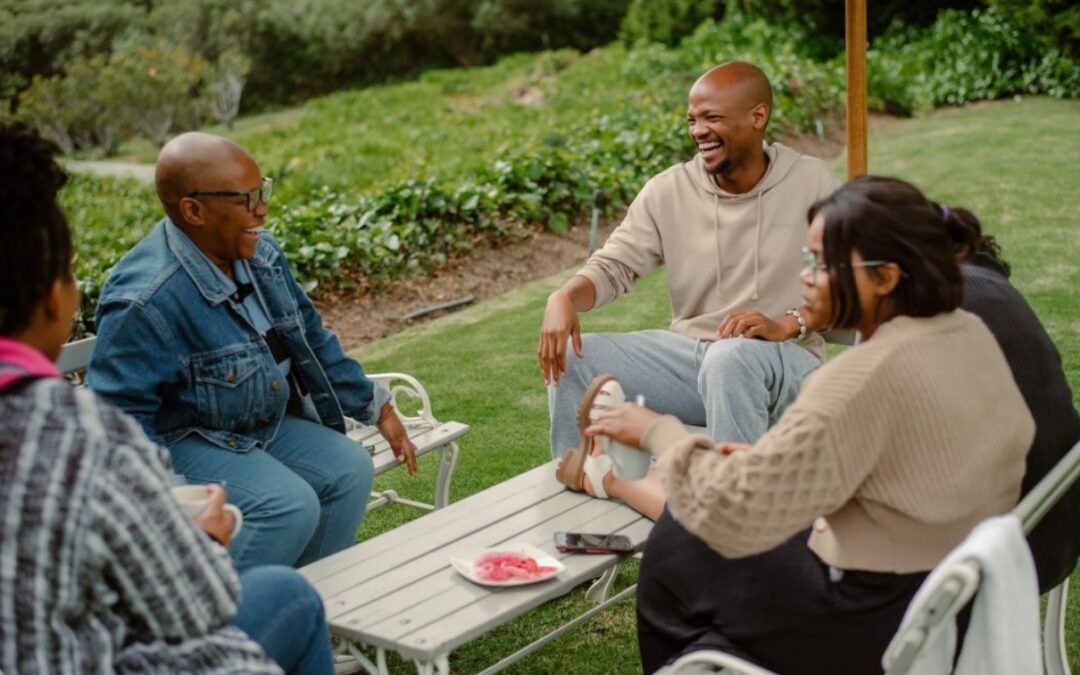
As we come to the end of our last Immersion for 2023 with our sixth cohort of Fellows we reflect on some of the things we have learned as a group over the course of the year. The Fellowship program serves as a transformative space where personal growth, collaboration, and resilience are fostered. This year’s Cohort highlights the importance of addressing burnout, rethinking leadership approaches, and creating safe spaces for collaboration. The themes of possibility, reality, and building communities of adopters underscore the challenges and opportunities inherent in driving innovation in the NGO sector.
The Fellowship’s role in providing a supportive environment for learning, collaboration, and personal development emerges as a key factor in overcoming the challenges posed by the sector’s complexities. Many Fellows express a sense of being overwhelmed by the magnitude of the social problems they and their organisations are here to address. This is exacerbated by the fact that funds are difficult to come by and there are challenges with resource constraints in most communities. Opportunities for knowledge sharing in the sector are also limited.
Many Fellows find their own roles are becoming increasingly complex as they navigate power imbalances in their organisations and in their constituencies. Some are dealing with burnout, feeling unsupported by their organisational leaders who are themselves burdened by other priorities. This leaves some Fellows feeling isolated in their efforts to drive innovation within their organisation. The sector’s fast-paced, mechanistic approach driven by donor contracts and hard deadlines is experienced as counterproductive to fostering innovation, which requires time to think creatively in a state of rest and play. In the face of these pressures, the Fellows describe the Immersions as a space of joy, connectedness, and respite. They appreciate the safe space the facilitation team creates for open dialogue, enabling them to voice their concerns and feelings as they embrace the journey of identifying solutions to their innovation questions and supporting each other.
Over the course of the year Fellows partner with a colleague, collaborate with Fellow pairs from other organisations, and gain the support of coaching for personal and professional growth. The Fellowship community provides validation, supporting passion and growth in the face of setbacks and obstacles. As they tackle these and take in both the conceptual and experiential content of the curriculum, opportunities arise in the form of new insights about themselves, their organisations, their leaders, and their communities.
The potential for collaboration, innovation, and skills exchange within the programme, emphasising the importance of a shared community in driving positive change, is something many Fellows see and are able to exploit. They show a growing interest in the kind of transformative leadership that emphasises personal well-being. The importance of self-care, compassion, and finding joy in both the personal and professional aspects of their lives is something they highlight as essential to effective leadership and combating burnout. As they navigate the tension between the possibilities they envision and the reality of what is possible, they switch between their Fellowship experience and their regular work environment. While the Fellowship offers a supportive community and a sense of belonging, they must also take the reality of organisational constraints, conflicting priorities, resistance to change, and budget cuts into consideration. The innovation questions raised by the Fellows often serve as catalysts for organisational change but progress is sometimes hindered by practical challenges. Many come to the crucial realisation that the role they play as the strategic champions of innovation rests on the relationship they cultivate with their community of adopters, the community that needs change and a new way of doing things but who might not want to pay the price or make the sacrifices needed in order to achieve this. As Fellows begin to rethink their initial assumptions about who supports their innovations they shift their understanding that communities, not just organisational leaders, have the power to drive change. This leads to a more successful approach to innovation and underscores the importance of building relationships with those who can contribute to and champion innovative ideas.