
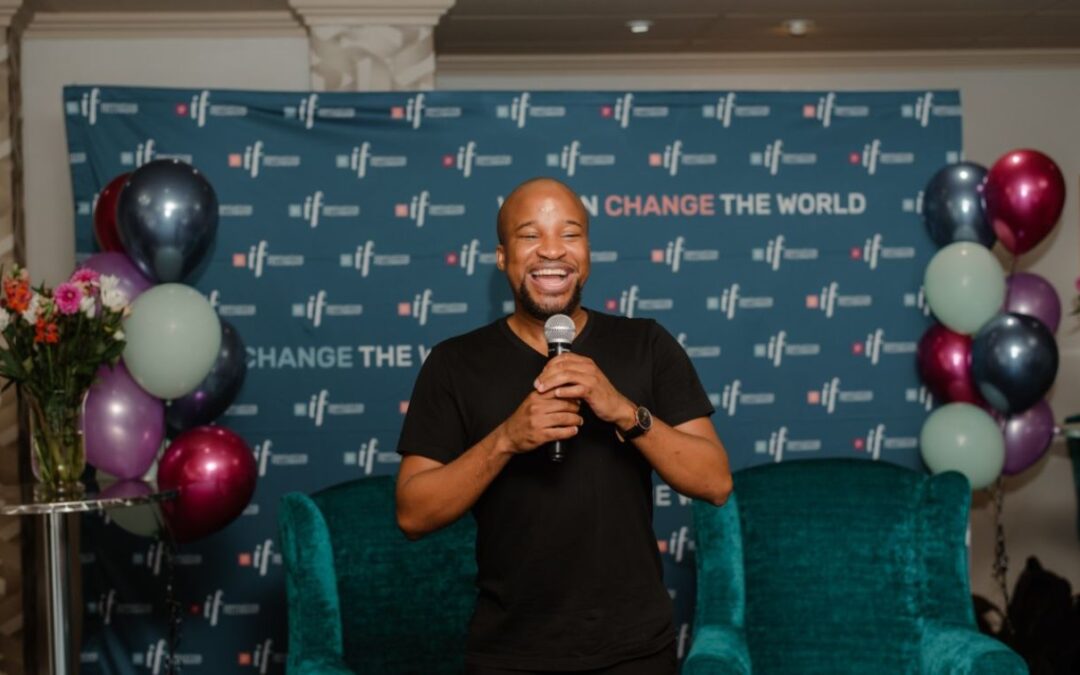
It’s a tense moment as the DGMT Innovation Fellowship’s eighth cohort prepare the final presentation they must make to a gathering of interested parties this Friday before they graduate.
Each of the nine organisations that make up Cohort 8 began this journey by describing a challenge their organisation was facing at that time. Their nominated Fellows used that challenge as a case study throughout the 12 month learning programme. Early in the Fellowship the facilitation team took the Cohort through a process of activating the creative part of their brains by converting their selected challenge into a question. This question asked Fellows to lead and innovate in order to deliver an answer that would solve the challenge. Having spent the remainder of the 12 month programme taking a core group of people most affected by the challenge with them on a journey of problem framing and envisioning a better way of doing things going forward, we hope the Fellows of Cohort 8 are ready to share their progress.
As those that are ready prepare to offer a desirable new outcome they will be acutely tuned in to their audience. The group of people who will listen will respond by either committing to or declining this offer to deliver a future of value. Good offers resonate with something important to the listener. The listeners in this case will be Fellows from the same Cohort, their organisational leaders, faculty members including the facilitation team, the coaches and the organisational leader’s mentor. This is an intimidating yet friendly group of people who will say what they think of the offer being made, interpreting what they hear relative to their own background and experience. Fellows are then encouraged to go back to their organisations to process the feedback they get and use it to improve their offerings. They might change the actions they propose and go on to make a more refined offer to another audience, one that may be in a real position to adopt the proposed course of action.
Listeners must ask themselves the following set of questions:
1. Is the offer worth committing to?
2. Is there enough to be gained in sacrificing something in favour of the new practice?
3. Are the Fellows committed to protecting the interests of those most affected by the problem?
4. Have they balanced these with the interests of the organisation?
5. Are they committed to making the future outcome happen?
6. Will the proposed new practice deliver the promised value?
The listener’s response is crucial to the outcome of such an offer. The Fellows carry the responsibility of understanding how the listeners in this particular audience respond, really inviting them to share their interpretation of the offer and in so doing show the Fellows how their offer might improve.
While the final version of assessment must await delivery, the listener decides at the time of the offer whether there is reasonable basis for expecting satisfaction. In taking the feedback from the audience the Fellows and their organisations learn something about the practice of innovation, what challenges leader innovators face and how these might be overcome.