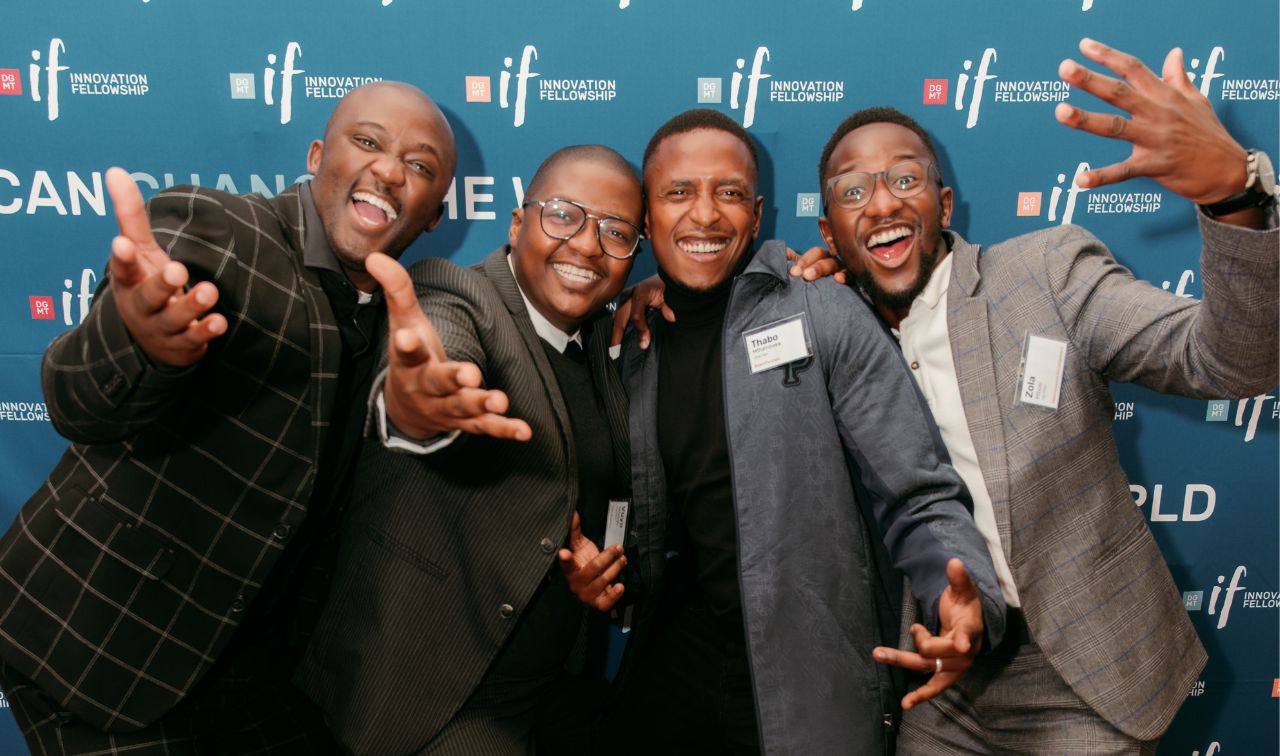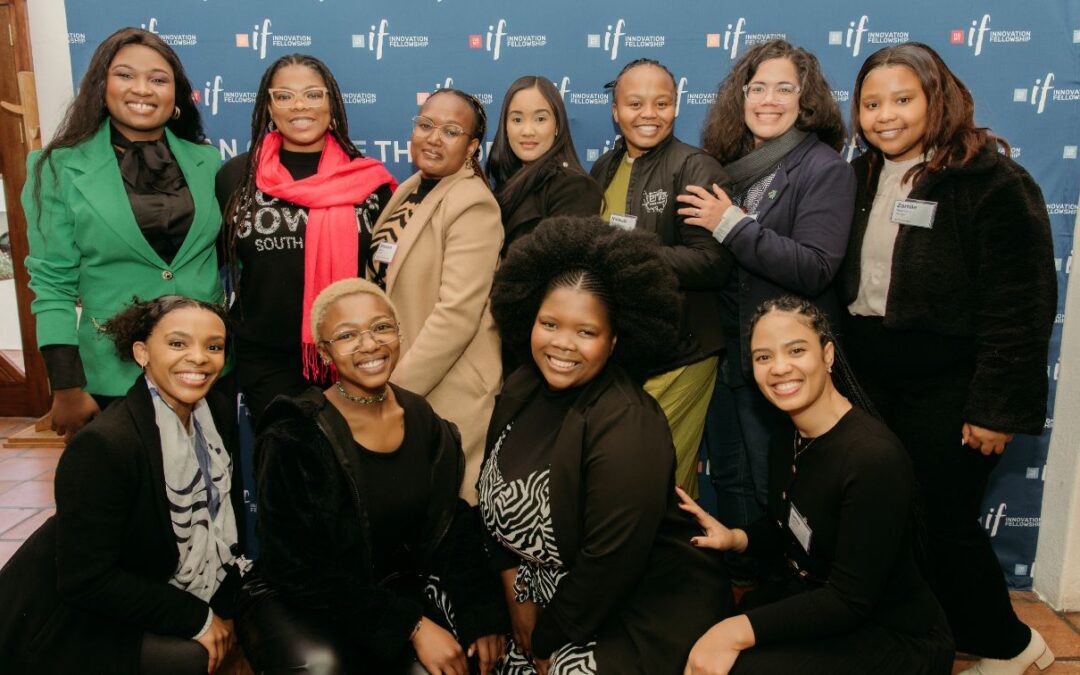
It is vital that South Africa solves complex social problems like poverty, inequality, violence, and unemployment. Unlocking the country’s full potential for the sake of future generations is something that strikes at the heart of what young people care about. Fellows that took part in Cohort 7 displayed a deep sense of justice and a desire for meaningful impact. Their curiosity and creativity, their lived experience of working in the NGO sector and their empathy, social and political awareness and keen sense of responsibility were palpable.
A Fellowship for young people in the NGO sector focused on leadership and innovation offers far more than just training or credentials. Its true value lies in the intangible assets it cultivates—those deep, often unspoken elements that shape how a young person sees themselves, others and their role in the world. These include a sense of purpose and possibility, developing an increased sense of inner leadership and confidence and the courage to challenge and create. We see Fellows developing reflective practices and enhanced resilience over the 12 months of the Fellowship journey. Achieving all of this in a Cohort of 20 other young people from across the country builds a sense of belonging and solidarity and in some Fellows the growth of systems thinking and deep insight and with it a shift in their professional identity.
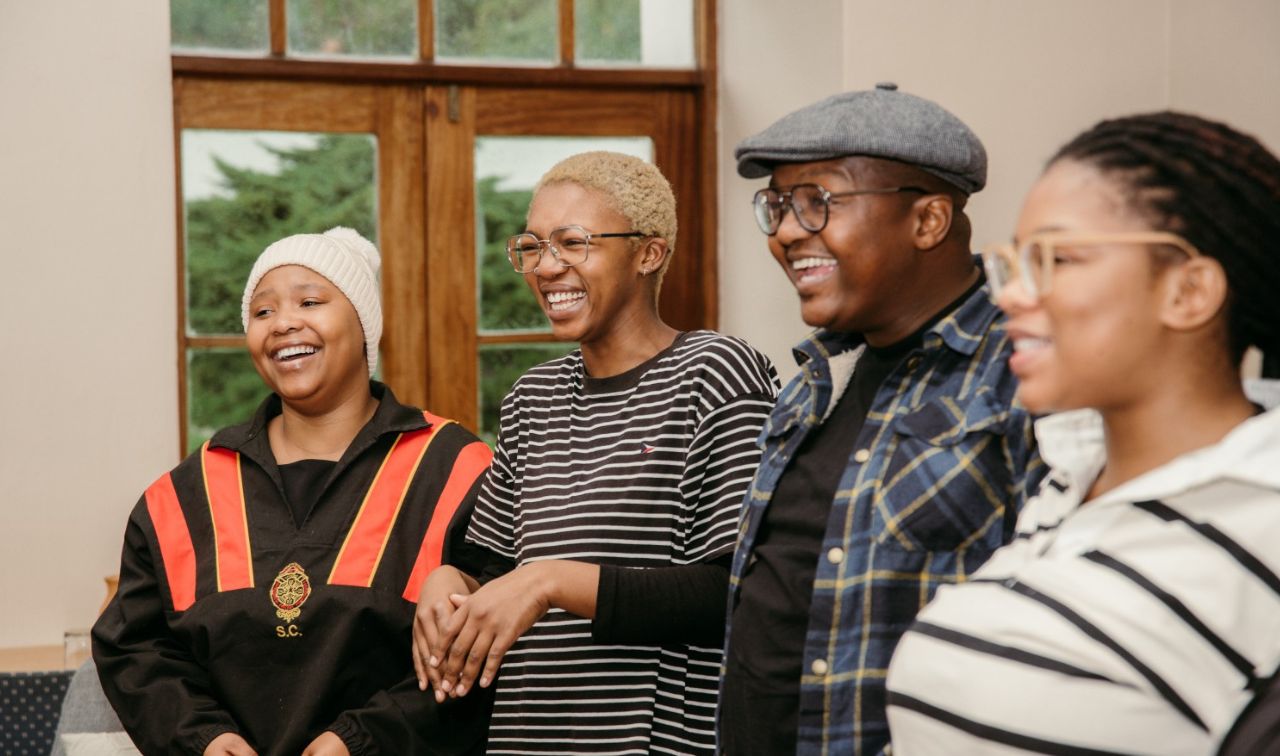
What set Cohort 7 apart was their ability to think critically. They arrived for their first immersion with a healthy degree of scepticism and no little anxiety. In part this was because the anxiety of sector as a whole had escalated in the preceding months and more than one organisation in this Cohort found itself suddenly and unexpectedly in financial difficulties. In part it was because they felt a strong sense of recognition that the Fellowship journey would create the conditions for them to undergo a profound inner shift that might redefine how they lead, relate, and create change. We all know that such shifts are hard won.
A leader’s way of being—whether rooted in optimism or pessimism, trust or caution, care or detachment, courage or tentativeness, generosity or protectiveness—is not static. It spreads relationally. Emotions and moods are contagious. A Fellow who embodies groundedness, curiosity, or generosity shifts the tone of meetings, teams, and partnerships. Like a tuning fork, their presence attunes others to new ways of engaging. A Fellow who listens deeply, invites reflection, holds space, or shares decision-making transmits a different culture—one of dignity, collaboration, and possibility. These everyday practices shift the emotional climate of a room, a team, even an entire organisation. As this powerful concept began to dawn on Cohort 7 they began to see how the facilitation team could improve on our way of creating the right conditions in the 12 month programme. We began to reshape the curriculum of our three immersions and its integration with our coaching programme as they unfolded.
Leading from your way of being requires pause. You need time to sense, reflect, and choose how to show up. Quiet time, unhurried meetings, check-ins, learning spaces, and solo thinking time all nourish inner leadership. We realised that we needed more of this in our ways of working on the Fellowship.
Relational ways of working that are collaborative, participatory, and co-creative reinforce presence and interdependence. When relationships are central—not just tasks—Fellows can show up fully and invite others to do the same. In times of complexity and uncertainty conditions that allow for ambiguity, learning, failure, and not-knowing support deep, values-led leadership. We found ourselves deepening these aspects of the programme throughout Cohort 7’s journey and they grew increasingly uncomfortable. We watched with some trepidation while holding space for them, while remaining confident that like six Cohorts before them they would make the shifts they needed to make.
In this Fellowship you’re not expected to have all the answers—only to stay present, curious, and committed. We believe that spaces that welcome the full self—body, emotions, intuition, and spirit, not just intellect—allow Fellows to stay connected to their deeper wisdom. This includes flexibility, support, respect for boundaries, and inclusion.
Slowly the Cohort became less reactive and more intentional—able to pause, sense, and choose grounded responses rather than fast solutions. They stopped looking for surface-level fixes and began working with complexity, staying with the problem in order to increase their potential for designing interventions that might address root causes even though these would clearly only unfold beyond the time frame of the Fellowship – if at all. They learned to be themselves and to stand in front of their challenges and see them for what they were.
Some Fellows carry their way of being into coalitions, movements, funder relationships, and public dialogues. It travels not just through what they say or do, but how they are—calm in chaos, open in conflict, generous even in scarcity. We saw this unfurl so graciously in Cohort 7. Congratulations to you all and thank you for everything we learned from you.